
Preventing Water Damage: Tips for Protecting Your Floors
Not only does your flooring serve as the base for your furniture and decor, but it also influences your home’s value. As the foundation of your home, flooring endures a lot—from scuffs, scrapes, and dents to spills, stains, and dirt. However, among the potential threats to your flooring, nothing is quite as insidious or destructive as water. Whether from a catastrophic burst pipe or a slow and silent leak, moisture wreaks havoc on most flooring materials. What’s even more frustrating is that water damage isn’t always obvious; it often works beneath the surface, weakening adhesives, inviting mold growth, and causing structural warping that can be impossible to reverse.
As a homeowner, it’s important to understand how moisture can impact your flooring. Doing so will help you protect them properly, safeguard your home’s value, and ensure a healthy living environment. This guide explores how to prevent water damage across various materials and, crucially, what to do when the inevitable splash occurs.
Protecting Hardwood Flooring from Moisture Damage
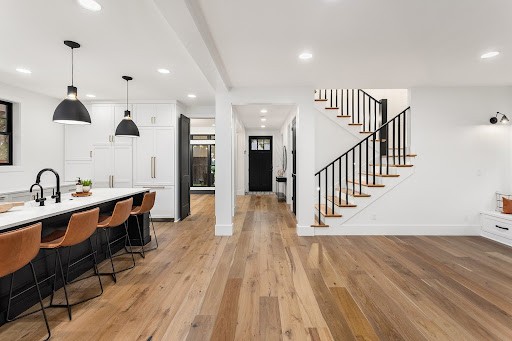
Hardwood flooring is one of the most popular flooring solutions, prized for its beauty and timeless appeal. However, solid hardwood is very sensitive to moisture, expanding and contracting during humidity shifts. Over time, prolonged exposure to moisture can cause hardwood to warp, cup, or rot. To protect your hardwood flooring:
Maintain humidity levels. If you have hardwood flooring, you’ll want to keep your home’s relative humidity between 30% and 50%. Use a humidifier or dehumidifier as needed to keep your hardwood from reacting to humidity shifts.
Seal your floors. Ensure your hardwood has a high-quality polyurethane or wax finish. While the finish doesn’t make the wood waterproof, it adds a layer of protection against spills, giving you more time to clean up the mess before it seeps into the wood.
Utilize rugs. Use breathable rugs in known splash zones, such as in front of your kitchen or bathroom sink or by your front door. These rugs will absorb minor spills, helping protect your carpet.
What to do if Hardwood Flooring Gets Wet
Remove standing water. If you discover a puddle on your hardwood, speed is your only ally. Use a wet-dry vac or highly absorbent towels immediately.
Dehumidify. Aim fans directly at the area and turn on a dehumidifier.
Check for cupping. If the edges of the planks begin to rise higher than the centers (cupping), the wood has absorbed significant moisture. Do not attempt to sand it down while wet; wait for it to dry completely, which may take weeks. If the cupping persists after drying, consult a professional.
Protecting Laminate Flooring from Moisture Damage

While today’s laminate flooring has come a long way, it’s still vulnerable to moisture damage. Most laminate is constructed with a high-density fiberboard (HDF) core made of compressed wood fibers. If water reaches this core through the seams, it can cause the edges to swell and peak. Often, this damage cannot be reversed. Fortunately, there are a few prevention strategies to ensure your laminate performs its best.
Get a professional installation. Laminate planks should be tightly joined when installed. Otherwise, gaps will occur and serve as the primary entry point for moisture. Our team at Fairmont Flooring will ensure your laminate is properly installed to minimize moisture exposure.
Avoid wet mopping. Never use a dripping wet mop on laminate. Use a damp microfiber cloth and a specialized laminate cleaner that evaporates quickly.
Silicone the perimeter. In areas like half-baths or laundry rooms, applying a bead of 100% silicone sealant around the perimeter (under the baseboards) can prevent water from seeping under the floor during a leak.
What to do if Laminate Flooring Gets Wet
Immediately blot surface spills. With laminate, you have a bit more time. If the water has only been on the surface for a few minutes, the wear layer should protect it.
Check for damage and replace planks as needed. If water has sat for an extended period or seeped into the joints, you may need to uninstall the affected planks. Because laminate is a ‘floating floor,’ you can often pull up the boards near the wall to dry the subfloor and replace only the damaged pieces.
Protecting Luxury Vinyl Flooring from Moisture Damage
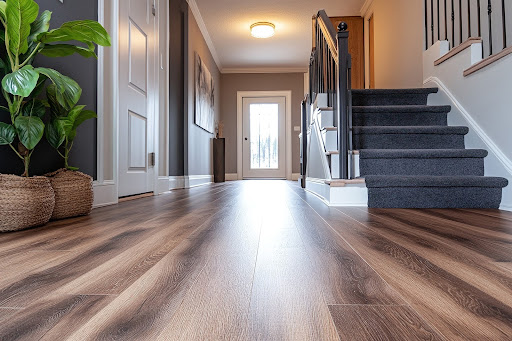
Luxury vinyl flooring is often marketed as 100% waterproof. While the material itself won’t be damaged by water, the floor system still requires care. Here are a few things to keep in mind:
Subfloor integrity. While vinyl won’t rot, water trapped beneath a waterproof floor can lead to mold and mildew on the wooden subfloor or the concrete. Ensure your perimeter is sealed in wet areas.
Avoid steam mops. Even though vinyl is tough, the high heat and pressure of a steam mop can force moisture into the locking mechanisms or break down the adhesive on glue-down versions.
What to do if Luxury Vinyl Flooring Gets Wet
Wipe up spills. Luxury vinyl is incredibly forgiving with spills. Simply wipe up any messes. It’s that easy!
Take action during flooding. If the room floods, you must take action. Even though the vinyl looks fine, you’ll need to pull up your flooring to dry the subfloor. If you leave water trapped beneath waterproof vinyl, it creates a vapor barrier that rapidly promotes mold growth. Clean the vinyl planks with a mild disinfectant, dry them, and they can usually be reinstalled once the subfloor is dry.
Protecting Carpet and Area Rugs from Moisture Damage
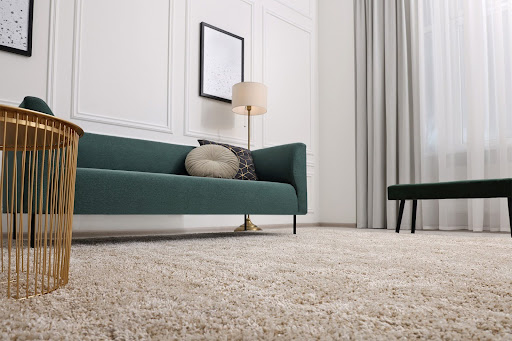
Carpet acts like a massive wick. When it gets wet, it pulls moisture down into the padding and, eventually, into the subfloor, making it one of the most difficult materials to dry effectively. Keep the following in mind:
Stain-resistant treatments. Ensure your carpet has a factory-applied or aftermarket protector (like Scotchgard), which causes liquid to bead on the surface rather than soaking in immediately.
Padding choice. If you have pets or live in a moisture-prone area, consider a moisture-resistant carpet pad to prevent liquids from soaking through the carpet into the subfloor.
What to do if Carpet Gets Wet
The blotting method. Layer several absorbent towels over the wet spot and weight them down with something heavy. Replace the towels as they become saturated.
The tenting technique. If a larger area is wet, pull the carpet up from the tack strip in the corner and aim a high-velocity fan underneath the carpet to dry the pad and subfloor simultaneously.
The 48-hour rule. If your carpet remains soaked for more than 48 hours, the risk of mold is extremely high. In cases of ‘black water’ (sewage or outdoor flooding), the carpet and pad must be replaced for safety.
Protecting Porcelain, Ceramic, and Natural Stone from Moisture Damage
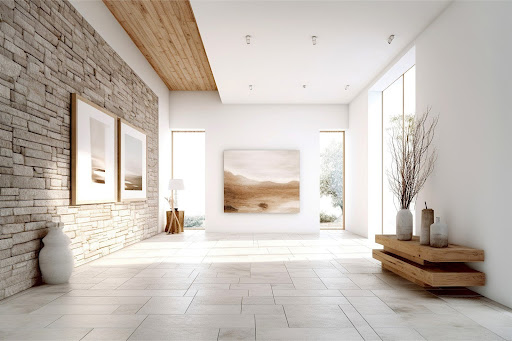
While tile is often seen as the ultimate ‘wet zone’ flooring, it isn’t invincible. While many types of tile are waterproof, others are highly porous. Grout is also prone to water damage. If you have tile or stone flooring, there are a few steps you’ll need to take.
Seal your grout. Grout is essentially concrete; it is highly porous. Apply a high-quality grout sealer every year or two to prevent water and stains from penetrating.
Seal natural stone. Stone like marble, travertine, and slate must be sealed regularly. Without a sealer, water can cause ‘spalling’ (flaking) or deep mineral staining.
Stay on top of caulk maintenance. Ensure the caulking where the tile meets the tub or baseboard is intact. Cracks in caulk are the leading cause of invisible water damage in bathrooms.
What to do if Tile/Stone Gets Wet
Dry the grout. After a spill, make sure the grout lines are dry thoroughly. Lingering moisture in grout leads to mildew and discoloration.
Check for efflorescence. If you see a white, powdery substance on your tile or stone after it dries, this is efflorescence—mineral salts left behind by evaporating water. Clean it with a stone-safe cleaner and check for the source of the moisture.
Check for hollow sounds. If water has gotten under the tile, the thin-set mortar may fail. Tap the tiles gently; a hollow sound indicates the tile has become debonded from the subfloor and may need to be reset.
Expert Guidance for Your Home
Water damage can be overwhelming, but you don’t have to navigate it alone. Whether you’re looking to replace damaged flooring or want to learn more about water-resistant flooring options for your upcoming renovation, the team at Fairmont Flooring is here. Our flooring specialists can guide you through the pros and cons of each material, helping you find a solution that fits your lifestyle and your home’s unique needs. Contact us today or visit us to speak with an expert!